In this article, I explore why thermal comfort is a basic standard and human right – not a luxury – for all Australians. I discuss why adequate heating in homes, rentals, workplaces, and community buildings is vital for enhancing the comfort and quality of life for Australians, including our most vulnerable citizens.
While we often associate Australia with warm temperatures, heatwaves, and summer bushfires, the geography of Australia is incredibly diverse. The climate here varies wildly across different states and territories, as well as from season to season. Yet this geographical and seasonal reality – plus the impacts of cold climates upon Australian citizens and vulnerable groups – is often overlooked.
When it comes to government priorities and the media, the impacts of cooler temperatures upon individual wellbeing gains far less attention than heat-related issues. For example, it’s unusual to hear about how inadequately insulated buildings impact people’s comfort levels and health here in winter.
Unfortunately, for our most vulnerable Australians – such as the elderly, First Nations people, and people with disability and chronic health issues – this oversight can have serious, even deadly, consequences.
Why comfort should never be a luxury: the hidden health risks of cold
In a wealthy nation like Australia, comfort and quality of life should not be viewed as luxuries; they are basic standards and fundamental human rights for our citizens, including regional and rural dwellers.
Inadequate heating exposes vulnerable people to the cold. And cold buildings increase health risks like respiratory conditions, cardiovascular issues, and mental health conditions like anxiety and depression. Sadly, research from the University of Melbourne shows that the poorest Australians are living in the coldest homes in winter – and it’s putting both their physical and mental health at risk.
Further, an academic paper found that 60% of Australia’s burden of disease from indoor cold is caused by negative effects on mental health. Another global study from The Lancet revealed that Australians are almost twice as likely to die from cold weather than Swedish people due insufficient insulation in our homes, workplaces, and buildings. This simply isn’t good enough. And we can turn the situation around.
The quiet trade-off too many vulnerable Australians are making today
Did you know that the human body temperature is set at 36.8°C? However, our usual body temperature may vary as we age, leaving older Australians more suspectable to fluctuations in external temperatures, weather variations, and changing environmental conditions. It’s deeply concerning, then, that older people – particularly pensioners, First Nations elders, people with disability, and residents living in rentals or aged care facilities – are among the most likely cohorts to have little-to-no heating at all.
The quiet trade-off too many older Australians are making is sacrificing their comfort, health, and happiness during winter by avoiding paying for heating. The rising cost of living is preventing people from accessing affordable energy. And it’s impacting quality of life for our most marginalised citizens.
We must act now to reduce preventable health risks and deaths among marginalised communities. With a more sustainable, integrated approach to heating and energy efficiency, we can improve the quality of life and comfort levels for all Australians. Better health and wellbeing outcomes are possible, and foundational thermal comfort easily achieved. We just need the right strategies in place to get there.
Energy hardship and the true cost of cold homes
Energy hardship is a very real and rising issue here in Australia and globally. The Australian Consumer Energy Report Card 2025 found that 1 in 5 Australian households are vulnerable to, or currently experiencing, energy hardship. This is a serious issue, and its true cost is on human health.
The estimated figure of people exposed to cold homes in Australia vary from less than two per cent to an alarming 80 of 100 homes. It’s hard to accurately calculate these figures because there is no current national standard for measuring the effects of cold homes and workplaces in Australia. One thing we do know for sure? Exposure to cold buildings in our country is far more common than we are led to believe.
As I have touched upon, low-income households and renters are at a much higher risk of poor heating and poor health outcomes. In fact, renters are disproportionately more likely to be affected by energy hardship across all hardship indicators, with many households turning off heating and cooling all year round just to save money. And with thermal comfort sacrificed, happiness and satisfaction is reduced.
What does thermal comfort mean, and how does it impact happiness?
So, what does thermal comfort actually mean? How does it impact happiness? According to Solar Victoria, thermal comfort is the state of mind and feeling of satisfaction with the surrounding thermal environment. This means someone feels neither too hot nor too cold, but snug, content, and ‘just right’.
Thermal comfort is impacted by indoor air temperature, which should ideally range between 20°C to 26°C. Having poor thermal comfort can cause issues with physical discomfort, fatigue, headaches, and musculoskeletal problems, as well as a higher likelihood of anxiety and depression. And these issues worsen when poor thermal comfort is ongoing, like in homes with ineffective or non-existent heating.
In summary, stable, healthy indoor conditions are directly responsible for achieving thermal comfort. Such conditions are not merely a thermostat setting but an integral part of the design and insulation of a building. And efficient electrification is key to achieving this, meaning property owners, landlords, housing providers, and aged care operators must consider a smarter approach to electrification.
When comfort depends on running costs rather than design
A truly alarming finding from the Australian Council of Social Service is that more than 1 in 2 Australians (51%) went without food, medicine, or other essentials to pay energy bills during the past year. Comfort, health, and wellbeing should never depend on cost. Australians should not be sacrificing necessities like food and medicine to afford their energy bills or having to weigh up which matters more.
The good news is that the design of buildings can make a huge difference in reducing running costs and increasing energy affordability. By embracing smarter solutions with renewables and clean energy, we can work together to ensure that all communities – including our most marginalised groups – can easily afford their energy bills and enjoy thermal comfort, regardless of where they are in Australia.
Given that thermal comfort is a health and safety issue, making the transition to renewables is in the best interests of both people and the planet. The thermal performance of homes can be unpredictable when it’s entirely reliant on the conventional grid – for example, with outages increasing due to climate pressures and high demand. That’s why Australian property owners, housing and aged care providers, renters, business leaders, and residents alike are now looking at sustainable solutions, smart technologies, and automation to keep their homes and properties cool, safe, and stable.
Improving thermal comfort with better building design and electrification
A previous report released by RMIT University with CSIRO and Climate KIC Australia found that to reach Australia’s goal of net zero carbon emissions by 2050, we must actively improve how new homes and properties are constructed. We also need to examine how existing homes and housing providers prioritise and undertake thermal upgrades for buildings. Doing so now will help to improve the thermal comfort, quality of life, and health and wellbeing outcomes for all Australians as our climate changes.
To create healthier indoor environments for Australians, including tenants in rentals and elderly people living in aged care or residential facilities, we can look at strategies for improving thermal comfort with better building design and electrification. Rather than merely focusing on upfront costs and short-term payback savings, prioritising smarter infrastructure and automation today can unlock lower, more predictable running costs in the future, with positive flow-on effects for both people and the planet.
By embracing smarter electrification and renewable energy, we can better protect asset value for property owners, renters, and residents; especially as building and construction standards become more stringent. So, with rental energy efficiency standards rising, and with new-build requirements calling for smarter solutions that reduce carbon emissions, the time is right to rethink your electrification strategy.
Overcoming energy hardship to unlock energy abundance
For our most vulnerable citizens, rising cost of living pressures and electricity expenses are preventing an energy abundance approach. And with disadvantaged households struggling to survive and essential necessities being sacrificed, everyday comfort is not the standard for all Australians – but it should be.
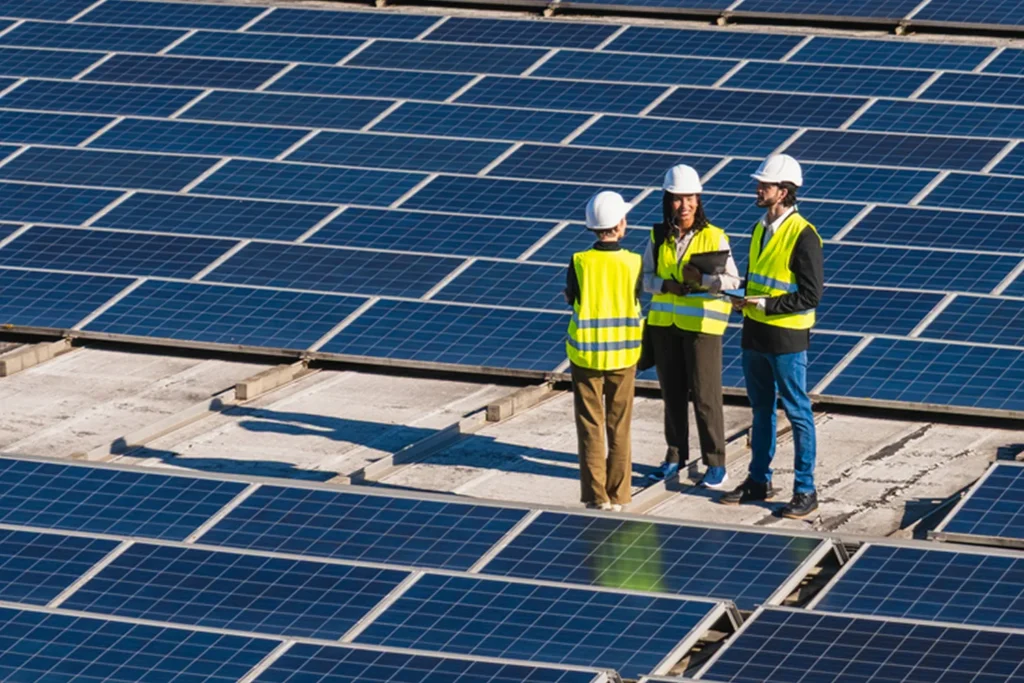
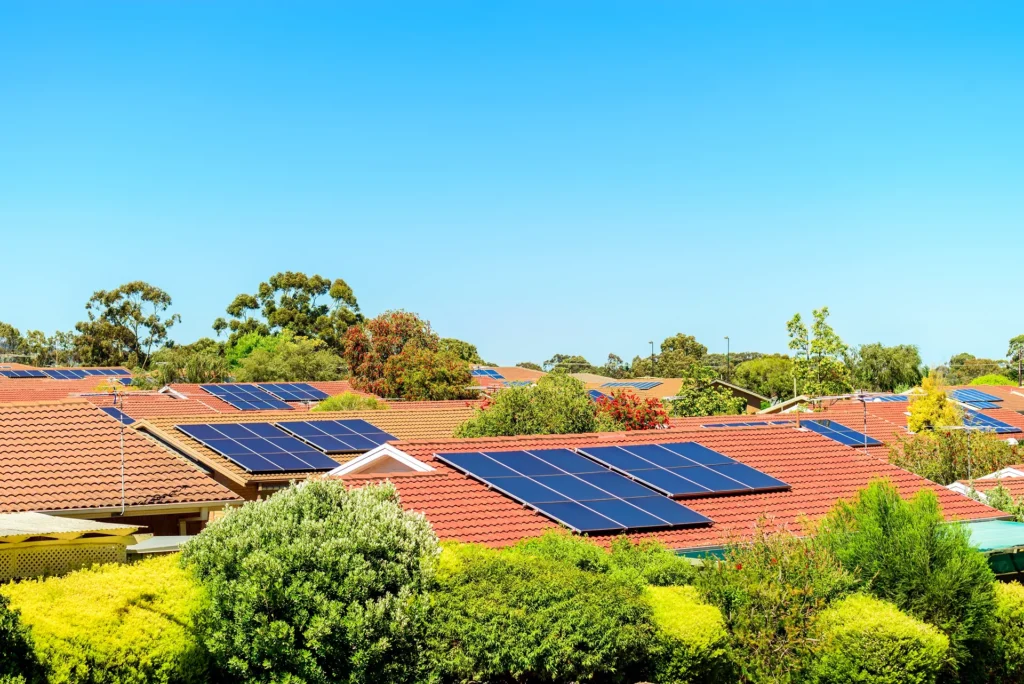
Many property owners, landlords, housing providers, and residents are already looking at greener solutions with solar and renewables, as well as smart technologies and automation. Earlier this year, Energy Consumers Australia (ECA) released a statement showing that rooftop solar and home batteries will continue to be a major driver of Australia’s energy transition. Taking this step will pave the way for Australians to enhance the thermal performance of their homes, workplaces, and communities.
Adequate heating, home insulation, and energy-efficient buildings in Australia are a must, not a nice-to-have. And given the prevalence of energy hardship when relying solely on coal and gas-powered energy suppliers, it’s clear that smarter, cleaner, and greener energy solutions are the way forward.
How 4EVA Energy is helping to make comfort the standard for all Australians
When energy is effectively generated, stored, and managed with smarter solutions, comfort stops being something people ration or sacrifice. Instead, it becomes the day-to-day standard across Australian homes, workplaces, aged care and residential facilities, and shared community spaces and buildings.
From helping you transition to clean energy, to unlocking an energy abundance mindset, to ensuring everyday thermal comfort, 4EVA Energy is there for you. As your trusted partner, we are passionate about improving quality of life, wellbeing, and happiness for all people – without harming the planet.
Our team provide so much more than one-off installation. From electrification through to verification and aggregation, we help you build greater comfort and wellbeing via a practical, sustainable strategy that lasts. Both human health and environmental conservation are the heart of what we do. And quality outcomes and thermal comfort are the standards we hold ourselves to, because all Australians deserve a great quality of life that doesn’t hurt our precious environment and diverse ecosystems.
Build a brighter tomorrow with 4EVA Energy. Feel free to reach out to me for more information.